
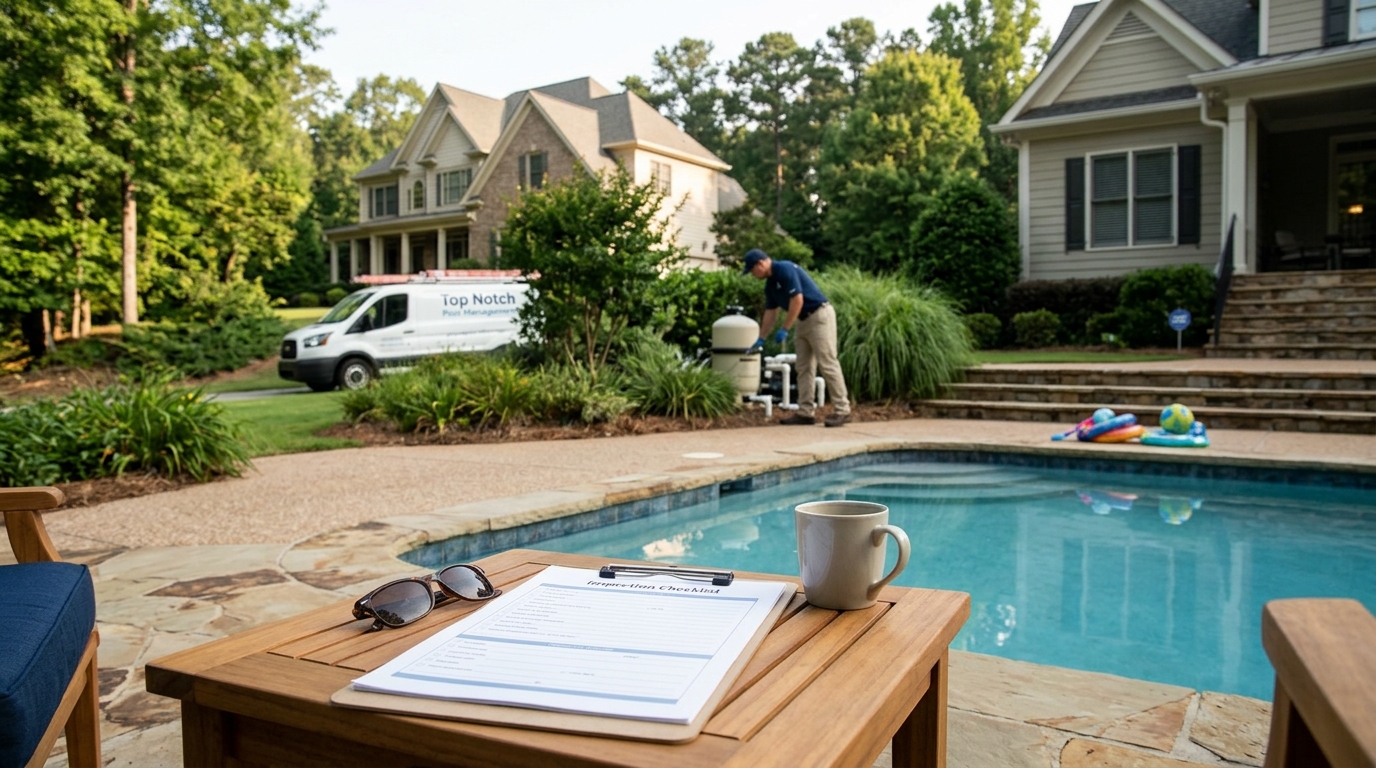
Pool owners in Alpharetta, Georgia, often wonder who holds the authority to inspect their water and equipment. Local and state bodies enforce safety codes, health standards, and environmental rules that apply to both private and community pools. Understanding these agencies helps you prepare for inspections and maintain compliance year-round.
1. Georgia Department of Public Health (DPH)
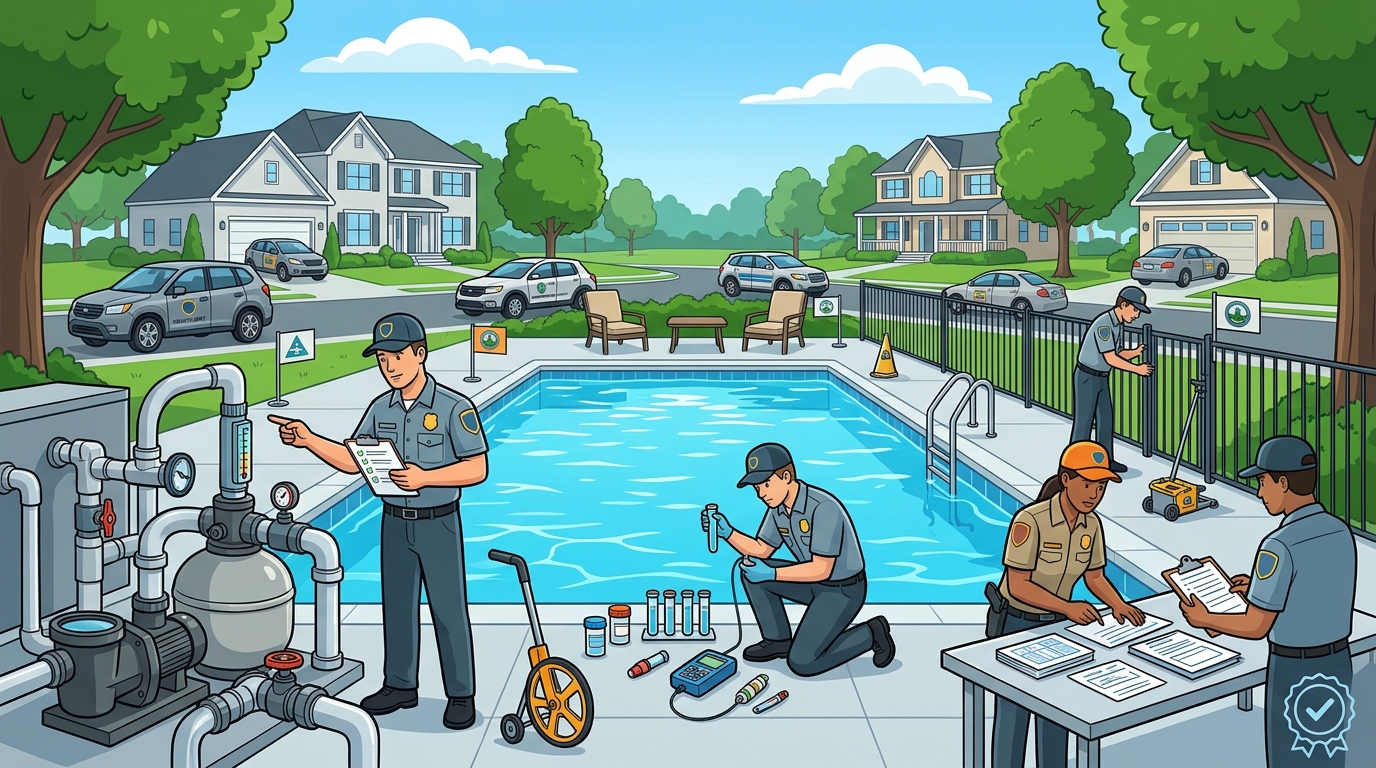
DPH is the primary state agency responsible for regulating public and semi-public swimming pools. In Georgia, the Department of Public Health sets the standards for water quality, safety barriers, and operational protocols for pools open to the public. For HOAs and community associations in Alpharetta, DPH conducts periodic inspections to ensure that facilities meet state health codes. Their focus includes verifying that water chemistry remains within safe limits and that safety equipment, such as life rings and signage, is present and functional.
2. City of Alpharetta Code Enforcement
Local code enforcement officers handle zoning, setbacks, and property maintenance standards. The City of Alpharetta enforces municipal ordinances that govern how pools are installed and maintained on private property. Inspectors may review pool placement, fence heights, and gate mechanisms to ensure they comply with local safety regulations. This agency also addresses complaints regarding pool conditions that might affect neighboring properties or public safety.
3. Fulton County Health Department
Fulton County Health Department assists with local health inspections and disease prevention. While the state DPH sets the rules, county health departments often play a role in local enforcement and education. They may be involved in investigating waterborne illness outbreaks or providing guidance on safe pool operation. For residents in the Alpharetta area, understanding the county's role helps in navigating local health advisories and compliance requirements.
4. Environmental Protection Agency (EPA)
The EPA is the federal agency that regulates the chemicals used in pool water treatment. Although the EPA does not typically inspect individual residential pools, it establishes the safety standards for chlorine, algaecides, and other sanitizers. Pool owners must use EPA-registered products to ensure their water is safe for swimmers and the environment. Compliance with federal chemical regulations is a critical part of responsible pool maintenance.
5. Georgia Department of Natural Resources (DNR)
The DNR oversees environmental protection and water quality standards. This agency monitors the impact of pool water discharge on local waterways and groundwater. In areas near protected waters or wetlands, the DNR may have specific requirements for how pool water is drained or treated before release. Homeowners in Alpharetta should be aware of these environmental guidelines to avoid violations related to water pollution or habitat disruption.
Choosing the Right Agency for Your Situation
To determine which agency applies to your pool, consider its use and location. Private residential pools are primarily subject to local code enforcement and federal chemical regulations. Community and HOA pools face stricter scrutiny from the Georgia Department of Public Health and local health departments. If your pool is near a waterway, the DNR may also be involved. For specific compliance questions, consult local authorities for guidance on Alpharetta regulations.
Frequently Asked Questions
Does the Georgia DPH inspect private residential pools?
The Georgia Department of Public Health primarily inspects public and semi-public pools, such as those in HOAs or apartment complexes. Private residential pools are generally not subject to routine DPH inspections unless there is a specific complaint or safety concern.
Who enforces pool fence safety laws in Alpharetta?
The City of Alpharetta Code Enforcement division is responsible for enforcing local safety ordinances, including pool fence heights, gate latches, and setback requirements. These rules are designed to prevent accidental drownings, particularly among young children.
Can the EPA fine me for using the wrong pool chemicals?
The EPA regulates the manufacturing and sale of pool chemicals but does not typically fine individual homeowners for chemical usage. However, using non-EPA-registered products can void warranties and may lead to water quality issues that attract attention from local health departments.
How often does the DPH inspect HOA pools?
Inspection frequency for HOA pools can vary, but the Georgia DPH typically requires regular inspections to ensure ongoing compliance with health and safety standards. HOA managers should maintain records of water testing and safety checks to demonstrate compliance during these visits.
What should I do if I receive a notice from a government agency?
If you receive a notice from a local or state agency, review the specific violations cited and address them promptly. For complex issues, consider consulting with a certified pool professional to ensure that corrective actions meet all regulatory requirements. Learn more: Contact Top Notch Pool.