
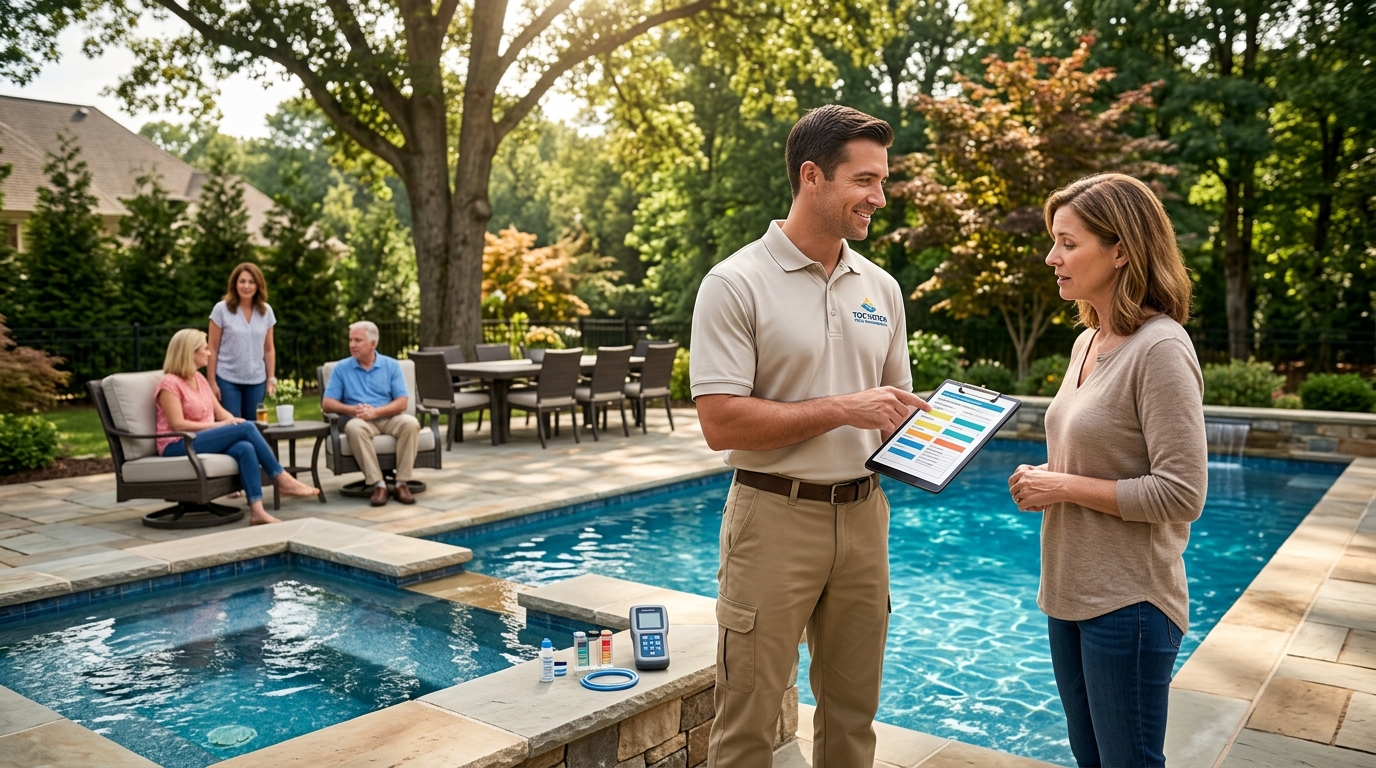
In Alpharetta, Georgia, the primary government agency that inspects pools is the Georgia Department of Public Health (DPH). DPH focuses on public health and safety, checking water quality, chemical levels, and physical barriers. Local zoning and building departments may also review structural compliance during construction or major renovations.
The Role of the Georgia Department of Public Health
The Georgia Department of Public Health is the state-level authority responsible for regulating public swimming pools. This agency is the primary body that conducts inspections for community pools, apartment complexes, and commercial facilities. Their mandate is to ensure that water is safe for human consumption and recreation, preventing the spread of waterborne illnesses.
For residential pools, DPH involvement is typically limited to specific circumstances, such as when a pool is used for a public event or if it is part of a multi-family housing development. However, for any pool that serves the general public or a large group of residents, DPH inspection is mandatory. The agency uses a standardized checklist to evaluate hygiene and safety protocols.
Water Quality and Chemical Standards
Water chemistry is the core of every DPH inspection. Inspectors test for specific parameters to ensure the water is properly disinfected and balanced. The most critical metric is free chlorine, which must remain within a specific range to kill bacteria and viruses. Inspectors also measure pH levels, as water that is too acidic or too basic can irritate skin and eyes and reduce the effectiveness of chlorine.
According to Georgia DPH guidelines, free chlorine levels should typically be between 1 and 5 parts per million (ppm). The pH level should be maintained between 7.2 and 7.8. If these levels are out of range, the facility may be cited for violations. Maintaining these levels requires consistent testing and adjustment, which is why professional pool management is often recommended for HOAs and commercial properties.
Physical Barriers and Safety Equipment
Beyond water chemistry, inspectors verify that physical safety measures are in place. This includes checking for proper fencing or barriers around the pool area to prevent unauthorized access, especially by children. The height and integrity of these barriers are critical components of the inspection. Inspectors also look for the presence of safety equipment, such as life rings, shepherd’s crooks, and first aid kits.
Signage is another key area of focus. Pools must display clear warning signs regarding depth, no diving zones, and emergency procedures. The visibility and condition of these signs are part of the compliance check. Failure to maintain these physical safeguards can result in fines or even temporary closure of the pool until corrections are made.
Equipment and Operational Compliance
Inspectors also evaluate the mechanical systems that keep the pool running. This includes checking the filtration system to ensure it is operating correctly and that the water is being circulated and filtered at the required rate. Poor filtration can lead to stagnant water, which is a breeding ground for algae and bacteria. Inspectors may also review the pool’s plumbing and pump room to ensure there are no leaks or hazards.
For commercial pools, the inspection may extend to the pool deck and surrounding areas. Inspectors check for slip-resistant surfaces and proper drainage to prevent accidents. They also verify that the pool is being drained and cleaned according to schedule. These operational checks ensure that the pool is not only chemically safe but also physically safe for users.
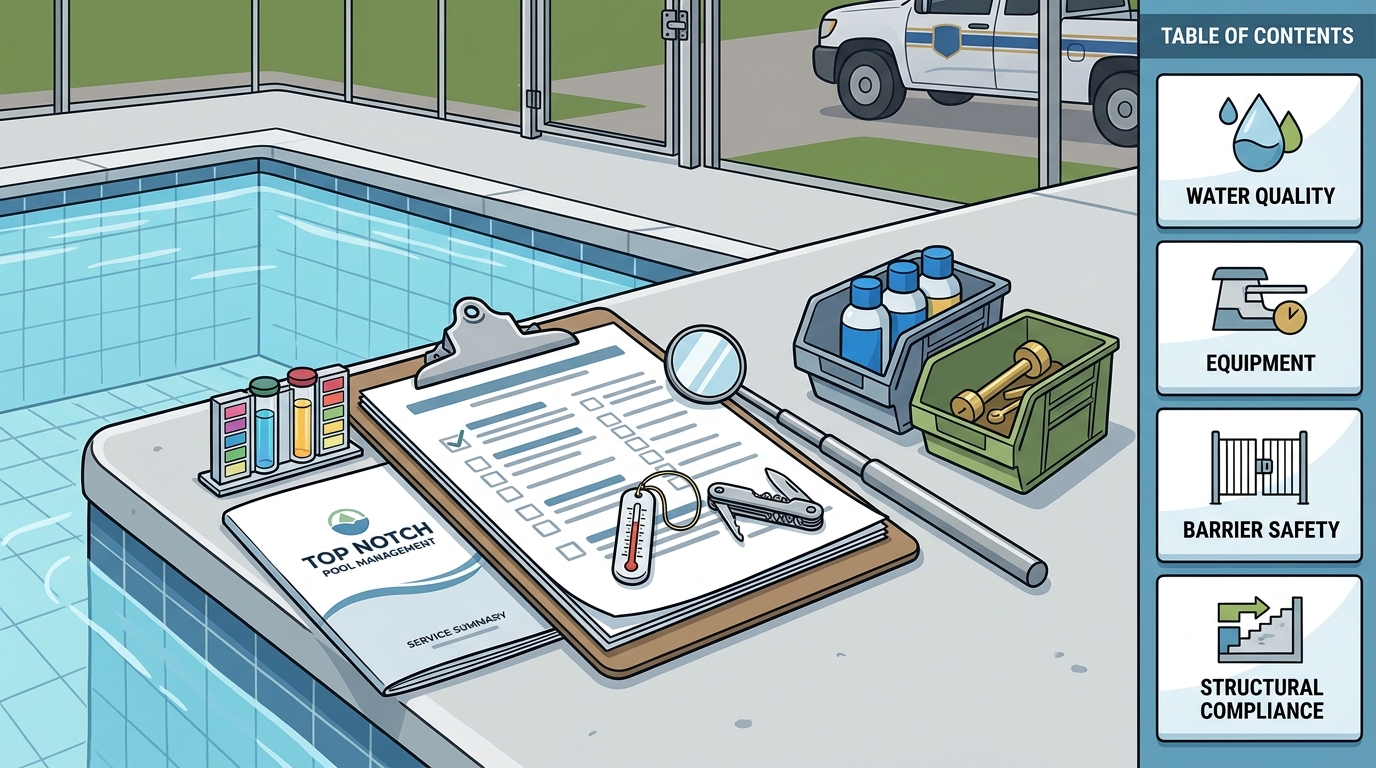
Local Zoning and Building Codes
While DPH handles health and safety, local government agencies in Alpharetta, such as the City of Alpharetta’s zoning and building departments, play a role in structural compliance. These agencies inspect pools during the construction phase or when major renovations are undertaken. They ensure that the pool meets local building codes, including setbacks from property lines, structural integrity, and electrical safety.
For existing pools, local inspections are less frequent but may occur if there are complaints or if the pool is being sold or transferred. Homeowners and HOAs should be aware that both state and local agencies have a role in pool regulation. Understanding which agency is responsible for which aspect of compliance helps property managers stay ahead of potential issues.
Key Takeaways
- The Georgia Department of Public Health is the primary agency inspecting public and commercial pools in Alpharetta.
- Water quality checks focus on free chlorine (1-5 ppm) and pH (7.2-7.8) levels.
- Physical barriers, such as fencing, and safety equipment are mandatory for public pools.
- Signage regarding depth and safety must be visible and in good condition.
- Filtration systems must operate at required rates to prevent stagnant water.
- Local zoning and building departments handle structural and construction compliance.
- Professional pool management helps ensure continuous compliance with state and local regulations.
Frequently Asked Questions
Does the Georgia DPH inspect private residential pools?
Generally, no. The Georgia DPH focuses on public, commercial, and multi-family pools. Private residential pools are not routinely inspected unless they are used for public events or are part of a regulated community.
What are the most common violations found during pool inspections?
The most common violations include improper chlorine levels, lack of required signage, and missing or damaged safety equipment like life rings. Poor water clarity is also a frequent issue.
How often are public pools inspected in Alpharetta?
Public and commercial pools are typically inspected at least once a month by the Georgia DPH. The frequency may increase if violations are found or if there are complaints.
Who is responsible for maintaining pool chemical levels?
The pool operator or management company is responsible for maintaining chemical levels. This requires daily testing and adjustment to ensure compliance with DPH standards.
What happens if a pool fails an inspection?
If a pool fails an inspection, the operator is usually given a deadline to correct the violations. Failure to comply can result in fines or temporary closure of the pool.
Do local building departments inspect existing pools?
Local building departments primarily inspect pools during construction or major renovations. They are less likely to inspect existing pools unless there are specific complaints or code violations.
How can HOAs ensure their community pools are compliant?
HOAs should hire a certified pool management company to handle daily maintenance and inspections. This ensures that water quality, safety equipment, and signage are always up to code.How can I schedule a pool inspection in Alpharetta?
Inspections are conducted by the Georgia DPH. You can contact your local DPH regional office to schedule an inspection or to report a concern. For private pools, you may need to contact the local building department for structural inspections.
Ensure Compliance with Top Notch Pool Management
Navigating the complex web of state and local pool regulations can be challenging for HOAs and property managers. Top Notch Pool Management provides certified pool care and compliance support to ensure your facility meets all Georgia DPH and local building codes. Our team handles water quality testing, safety equipment maintenance, and documentation to keep your pool inspection-ready. Contact Top Notch Pool Management to learn more about our HOA and community pool services.