
The Breakdown of Monthly Chemical Expenses
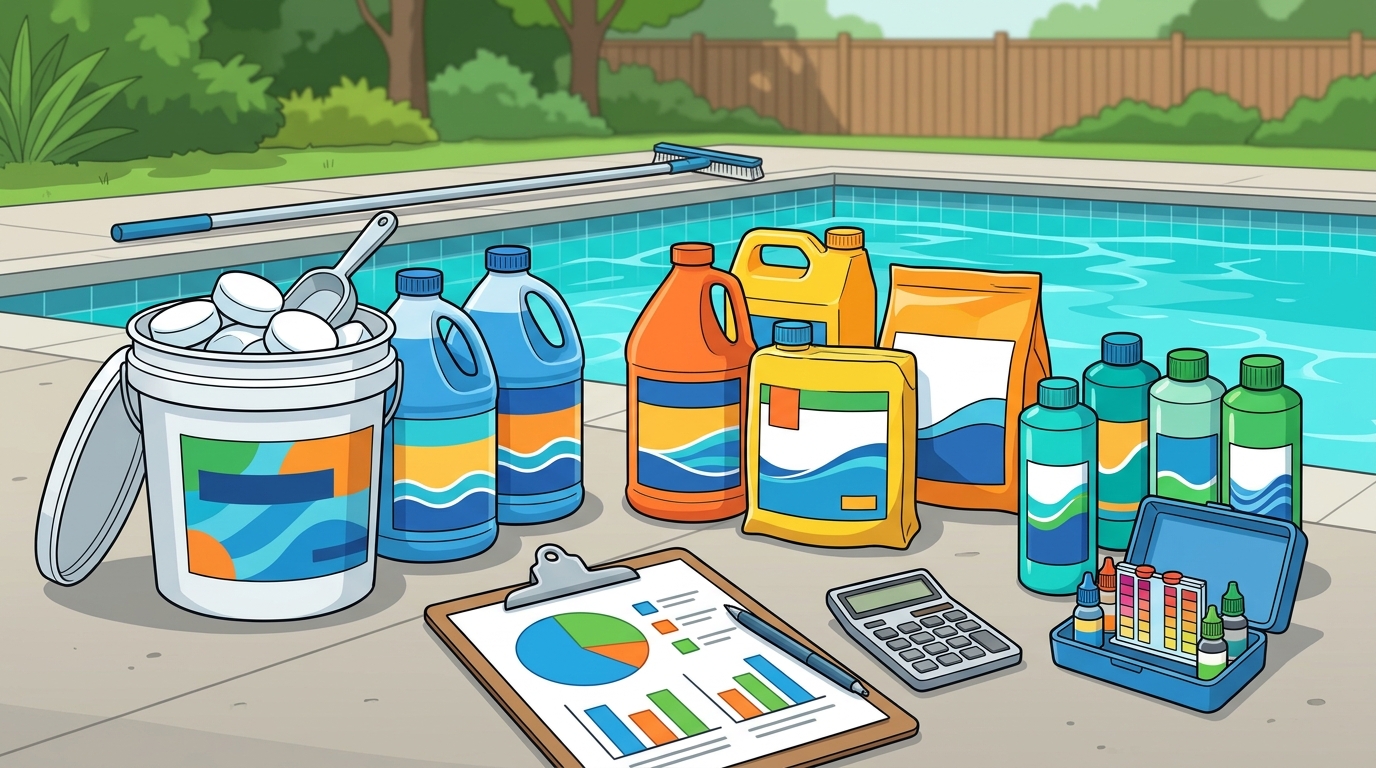
The primary driver of this cost is the sanitizer. Chlorine tablets or liquid chlorine are the most common expenses, accounting for roughly 40% of the monthly total. pH adjusters, such as soda ash or muriatic acid, make up another 30%. The remaining 30% covers algaecides, clarifiers, and calcium hardness stabilizers. Understanding this distribution helps homeowners see where their money goes. It also highlights why consistent testing is more valuable than bulk buying.
How Georgia Weather Impacts Chemical Usage
Alpharetta’s climate creates unique demands on pool chemistry. High summer temperatures accelerate the breakdown of chlorine, requiring more frequent replenishment. Heavy pollen seasons in North Fulton County introduce organic matter that consumes sanitizer and lowers pH. This seasonal fluctuation means your chemical bill is rarely static. It peaks during the hottest months of July and August and drops during the cooler winter months.
Storm debris is another significant factor. Frequent rain events dilute chemicals and introduce tannins from local trees. This requires additional shock treatments and filtration cycles. Homeowners who do not account for these environmental variables often find their monthly costs spiking unexpectedly. Professional service accounts for these local patterns, adjusting dosages based on real-time weather and water conditions rather than a fixed schedule.
Professional Service vs. DIY Chemical Costs
Many homeowners assume DIY maintenance is cheaper because they buy chemicals in bulk. However, the true cost of DIY pool cleaning includes the waste from over-correction and the price of emergency fixes. When you manage chemicals yourself, you often buy more product than necessary to be safe. This over-dosing wastes money and can damage pool surfaces over time. In contrast, professional service includes precise chemical management as part of the labor fee.
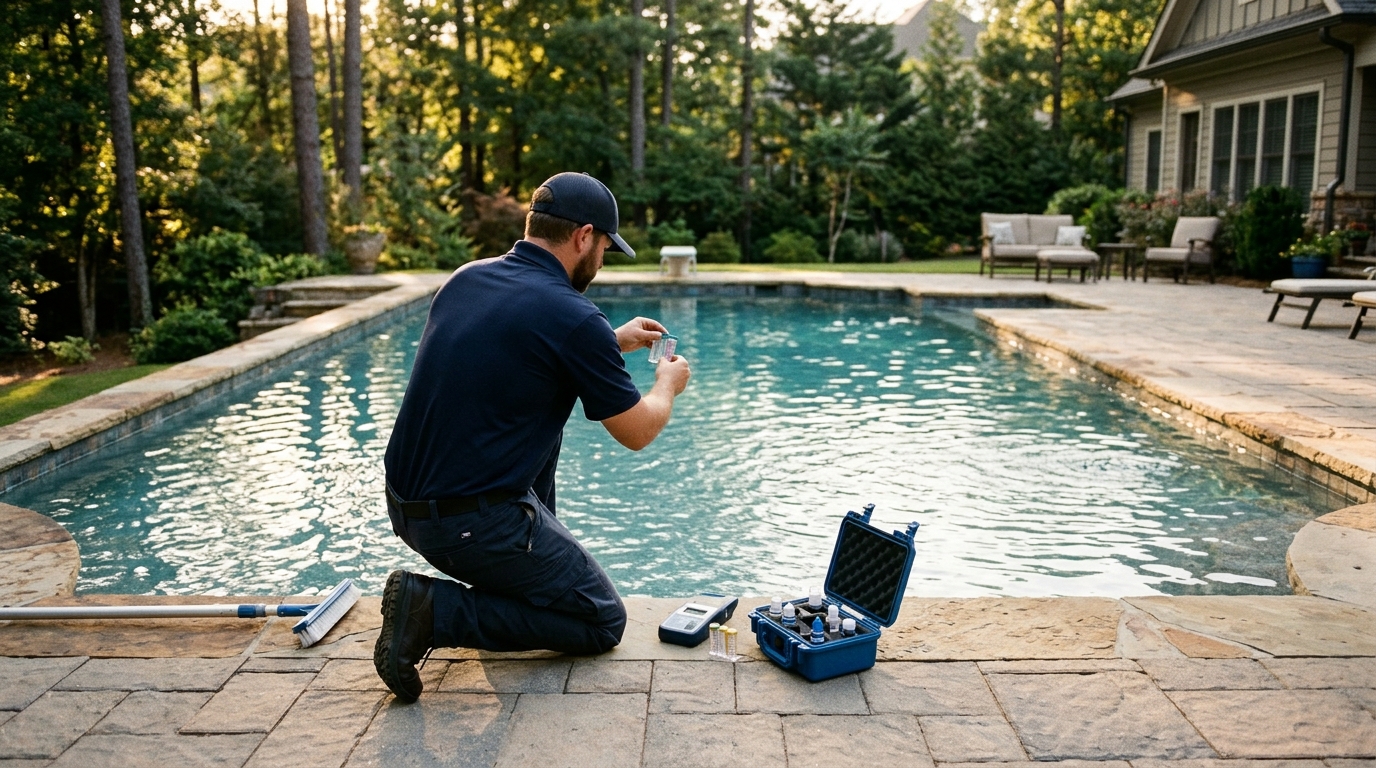
At Top Notch Pool Management, our weekly service includes testing and balancing water chemistry. We use commercial-grade products and apply them in exact amounts. This precision prevents the cycle of over-shocking and re-balancing that plagues DIY owners. The result is a lower total annual cost for chemicals and equipment. You pay for the outcome, not just the product. This approach protects your investment and ensures your pool remains safe for your family.
Preventing Waste Through Precision Dosing
Chemical waste is the silent killer of pool budgets. When water chemistry is out of balance, sanitizers become less effective. This forces you to use more product to achieve the same result. For example, if your pH is too high, chlorine loses up to 50% of its sanitizing power. You end up buying twice as much chlorine to get the same protection. Precision dosing prevents this inefficiency by keeping all parameters in the ideal range.
Regular professional visits ensure that minor imbalances are caught before they become major problems. Our technicians inspect equipment and water quality during every visit. This proactive approach extends the life of your pool surfaces and equipment. It also reduces the need for expensive emergency treatments. By maintaining a stable chemical environment, you avoid the financial drain of reactive maintenance. This is the core value of certified weekly service in the Alpharetta area.
Key Takeaways
- Pool chemicals typically cost $50 to $100 per month for a standard residential pool.
- Georgia’s heat and pollen significantly increase sanitizer consumption during summer.
- DIY chemical management often leads to over-dosing and higher long-term costs.
- Professional service includes precise chemical balancing, reducing waste and product usage.
- Storm debris and rain events in North Atlanta require additional shock treatments.
- Consistent water balance protects pool surfaces and equipment, saving money on repairs.
Frequently Asked Questions
Do professional pool services include the cost of chemicals?
Yes, most professional weekly pool cleaning services include the cost of chemicals in their monthly fee. At Top Notch Pool Management, our service covers testing, balancing, and the application of all necessary chemicals. This means you do not need to buy your own chlorine or pH adjusters. The cost is integrated into the service price, ensuring you get the right products in the right amounts.
Why do my pool chemical costs fluctuate month to month?
Costs fluctuate due to seasonal weather changes and bather load. In Alpharetta, high summer temperatures and heavy pollen increase the need for sanitizers. Rain events also dilute chemicals, requiring more frequent adjustments. In cooler months, chemical usage drops as algae growth slows. These natural variations are normal and expected in pool maintenance.
Is it cheaper to buy pool chemicals in bulk?
Buying in bulk can lower the per-unit cost, but it does not guarantee lower total spending. If you over-dose or store chemicals improperly, you may waste product. Professional services use commercial-grade products and apply them precisely. This often results in lower total annual costs compared to DIY bulk buying, even if the per-unit price is slightly higher.
How does saltwater affect my chemical bill?
Saltwater systems generate chlorine on-site, which can reduce the need to buy liquid chlorine. However, you still need to maintain salt levels and balance pH and calcium hardness. The initial cost of a salt system is higher, but ongoing chemical costs may be lower. Professional service ensures your salt cell is functioning correctly, preventing unnecessary chemical purchases.
What happens if I skip chemical treatments to save money?
Skipping treatments leads to algae blooms, cloudy water, and equipment damage. Algae growth requires aggressive shock treatments, which cost more than routine maintenance. Poor water balance also corrodes metal parts and etches plaster. The long-term cost of neglect far exceeds the short-term savings from skipping chemicals. Consistent care is the most cost-effective strategy.
How often should I test my pool water?
For weekly professional service, testing is done during every visit. If you are managing your pool yourself, you should test at least twice a week. More frequent testing is needed during heavy use or after storms. Regular testing allows you to make small adjustments rather than large, expensive corrections. This is the key to controlling chemical costs.
Ready to Optimize Your Pool Chemical Costs?
Stop guessing and start saving with professional pool care. To schedule your first weekly service visit and see how precision maintenance can lower your monthly expenses, contact our team.